As defined by the famous cartoonist Scott McCloud in the influential Understanding Comics: The Invisible Art, comics are “juxtaposed pictorial and other images in deliberate sequence, intended to convey information and/or to produce an aesthetic response in the viewer.” This visual method of delivering information has been around in human history for centuries, if not millennia, only finding itself more refined over the decades across many different cultures.Like many other things, comics have become a bit of an industry in recent centuries. Different countries have their own histories as to how they’ve approached the medium, though some of the most ubiquitous terminologies—like the Golden, Silver, and Bronze Ages—have sprung up around American comic history and all the eras regarding it. Some periods are better known than others, but all are equally important when considering the evolution of the genre over time.An import from Switzerland, the comic seems rough compared to the way we see comics in the present day. There weren’t images linked together to tell a story, nor speech bubbles. Rather, Obadiah Oldbuck’s adventures were told in singular images with little captions beneath each picture. This format had been used for decades before this—old political cartoons one studies in high school should come to mind as an example—but Töpffer was unique in how he utilized panel borders and cartooning.
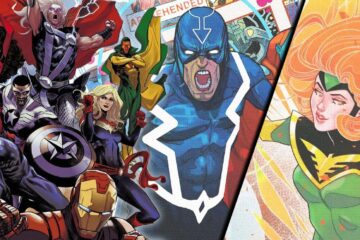
As defined by the famous cartoonist Scott McCloud in the influential Understanding Comics: The Invisible Art, comics are “juxtaposed pictorial and other images in deliberate sequence, intended to convey information and/or to produce an aesthetic response in the viewer.” This visual method of delivering information has been around in human history for centuries, if not millennia, only finding itself more refined over the decades across many different cultures.
Like many other things, comics have become a bit of an industry in recent centuries. Different countries have their own histories as to how they’ve approached the medium, though some of the most ubiquitous terminologies—like the Golden, Silver, and Bronze Ages—have sprung up around American comic history and all the eras regarding it. Some periods are better known than others, but all are equally important when considering the evolution of the genre over time.
An import from Switzerland, the comic seems rough compared to the way we see comics in the present day. There weren’t images linked together to tell a story, nor speech bubbles. Rather, Obadiah Oldbuck’s adventures were told in singular images with little captions beneath each picture. This format had been used for decades before this—old political cartoons one studies in high school should come to mind as an example—but Töpffer was unique in how he utilized panel borders and cartooning.
#Comic #Historys #Eras #Explained
Note:- (Not all news on the site expresses the point of view of the site, but we transmit this news automatically and translate it through programmatic technology on the site and not from a human editor. The content is auto-generated from a syndicated feed.))